
The Woolcock Institute of Medical Research
Sleep struggles
The Woolcock Clinic’s Dr Amelia Scott appeared on Weekend Sunrise to discuss the reasons why many Australians struggle to sleep, what can help and what may be making things worse?
Studies show that roughly four in every ten Aussie adults aren't getting enough sleep. That’s prompted a flurry of advice, tips and techniques to help people fall asleep quicker.
Clinical psychologist Dr Amelia Scott specialises in treating insomnia and sleep disorders, working with people who are struggling with their sleep every day. When asked why some people have so much trouble and others sleep easily, she agreed it was a difficult and complicated question.
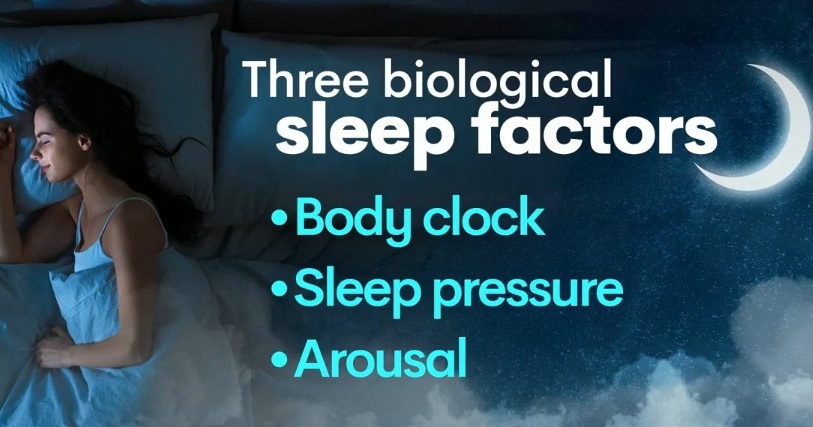
“When someone tells me ‘I’m really struggling to fall asleep’, we’re looking for something going wrong in one of the three key conditions we need to meet in order to fall asleep.”
“The first is a well-trained body clock, also known as our circadian rhythm. It’s this very clever clock in our brains that tells our body when we should be asleep and when we should be awake. We can train that body clock by controlling when we are exposed to light and darkness. The more regular we are, the better trained our body clock is.”
A consistent bedtime routine can also help prepare the brain and body for sleep. Simple habits such as putting away work, switching off devices, reading, listening to music, taking a warm bath, gentle stretching or other relaxing activities can help. Repeating these activities every night creates cues that signal that it’s time to wind down, helping the transition from a busy day to a restful night.
“The second condition we need to meet,” said Dr Scott, “is that we need to have high sleep pressure. This is often something people don’t know about but the pressure that there is on your system to return to sleep builds with every minute or hour you stay awake. If you did multiple all-nighters, you would fall asleep here on this couch; you just can’t fight sleep pressure once it’s really high.”
“The third condition we need is low arousal – how switched on we are. If we’re going to bed and we’ve got a million thoughts whirling around in our brain and our heart’s racing, we’re not in a state compatible with falling asleep.”
One of the most surprising techniques for falling asleep is trying to stay awake. For many people it works.
Want to stay up to date with our research on sleep and respiratory conditions?
Sign up to our quarterly newsletter
“Bizarrely it can. It’s quite surprising but I think this speaks to all of the people I see clinically and in my research who are just trying too hard. They’ve put too much pressure on themselves to fall asleep and it’s one of the few things where the harder you try, the less likely you are to succeed.”
For many, relaxing and allowing rest to take over rather than worrying about being awake also helps.
“I stand by that. If you're just lying there, at least you're not draining your battery caught up in that struggle to sleep. Shifting the goal – saying ‘what if I just stay awake and find something enjoyable to do with my wake-up time’ – the studies show that, counterintuitively, people who can do that fall asleep faster that those who are caught up trying to.”
Breathing exercises can also help because they can calm the nervous system and reduce arousal levels, but Dr Scott warns it can unintentionally get caught up in that struggle to sleep.
“It has a good basis, so I’d say for someone who’s had a busy day who doesn’t have too much of a batter with their sleep, great. Do a breathing exercise, it can relax your body and take your mind off what’s going on.”
“But if you're someone who struggles routinely, it's probably going to be part of that muscling into sleep that we shouldn't be doing.”
Find out more
Share online
Donate
We are committed to understanding and eradicating these conditions. If you would like to support our research please click the donate button.

Subscribe
Sign up with your email address to receive quarterly newsletter updates, including the latest medical findings and breakthroughs in respiratory and sleep research.
We Need Volunteers for our research











PRIVACY: The Woolcock Institute of Medical Research recognises the importance of your personal information and privacy. We will use your provided details only to contact you about information we believe will be of interest to you. Read our full Privacy Policy.
Woolcock Institute of Medical Research is a not-for-profit charity. Donations of more than $2 are tax deductible. Copyright © 2026. ABN: 88 002 198 905