
The Woolcock Institute of Medical Research
Pharmacy data flags risk
Pharmacy dispensing records could flag Australians at high risk of asthma or chronic obstructive pulmonary disease (COPD) exacerbations, according to a new Australian study published in BMJ Open.
Professor Sinthia Bosnic-Anticevich and the team analysed 3.84 million pharmacy dispensing records from over 4500 pharmacies linked to NostraData between 2011 and 2019 and identified medicine-use patterns associated with a higher risk of respiratory exacerbation.
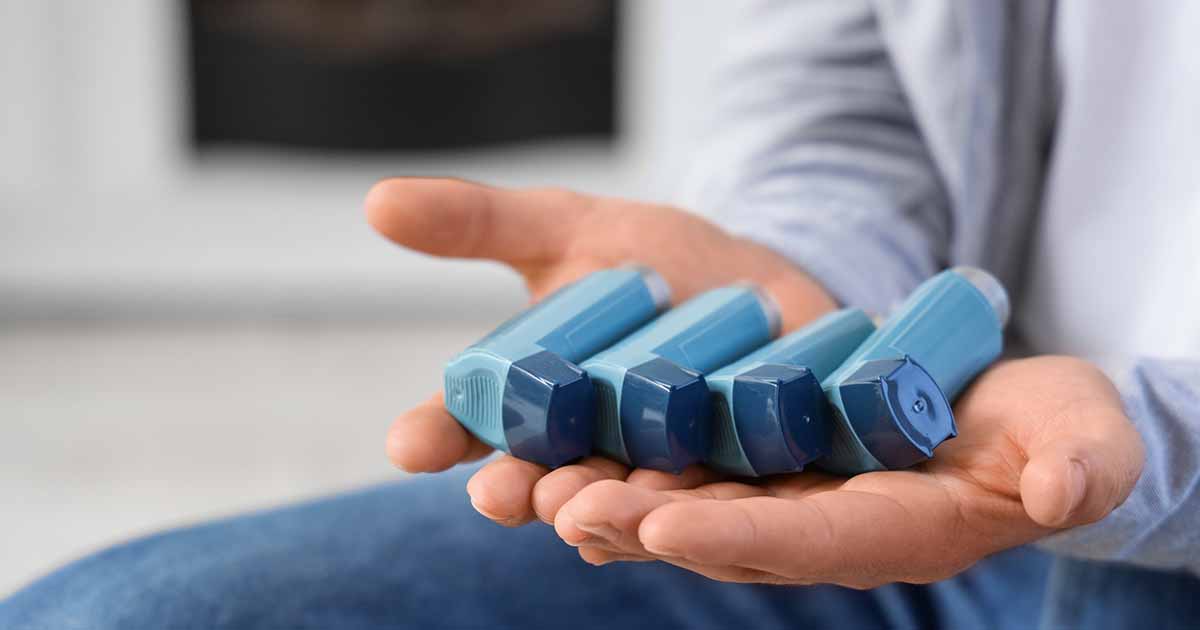
It is well established that the use of three or more short-acting beta-agonists (SABAs), the reliever inhalers used for rapid relief of symptoms is an indicator that patients are at high risk of asthma exacerbation1.
This study showed that more than 50% of the asthma* records with SABA dispensed had three or more canisters dispensed within a calendar year.
Another concern is the quantity of oral corticosteroid (OCS) dispensing; with ≥1g of cumulative OCS use in a lifetime being identified as increasing the risk of serious adverse events (diabetes and osteoporosis)2, 3.
This study identified that almost half of the records dispensed asthma and/or COPD inhalers, were dispensed equivalent to ≥1 g of OCS.
Furthermore, despite the suggestion of high use of SABA and OCS, this study identified that adherence to preventer/controller medications was grossly suboptimal: 92.5% of the 2.4 million records containing a preventer or controller inhaler, indicate non-adherence.
Lead author Dr House said that, while this research paves the way for further research in utilising pharmacy records to identify patients at high risk of respiratory exacerbations, it once again draws our focus on the unacceptable status of asthma management in Australia.
Want to stay up to date with the Woolcock's research on sleep and respiratory conditions?
Sign up to our quarterly newsletter
Despite decades of work to improve management, patterns of suboptimal medication use continue at large. There continues to be an urgent need to make the identification of this suboptimal medication use a priority.
While pharmacists clearly have a role of play in this, there remains a desperate need to better equip the patient in identifying when their medication use may be predicting potential future exacerbations.
For this, digital inhalers and AI should be the next frontier, the ultimate goal would be to turn routinely collected pharmacy dispensing data and patient monitoring into an earlier warning system — giving pharmacists and clinicians an opportunity to intervene before a patient experiences a serious respiratory exacerbation.
The study was also covered by The Limbic, which highlighted the researchers’ findings around SABA overuse and OCS overexposure.
Find out more
- The Limbic: Aussie Dispensing Data Flags Steroid Overexposure Risk
- Asthma
- Dr Rachel House
- Our Clinical Management research group
*Without diagnostic information available on the records, the respiratory condition was categorised based on the dispensed medication profile
References- 1. Nwaru BI, Ekström M, Hasvold P, Wiklund F, Telg G, Janson C. Overuse of short-acting β(2)-agonists in asthma is associated with increased risk of exacerbation and mortality: a nationwide cohort study of the global SABINA programme. Eur Respir J. 2020;55(4).
- 2. Hancock KL, Bosnic-Anticevich S, Blakey JD, Hew M, Chung LP, Cvetkovski B, et al. Characterisation of the Australian Adult Population Living with Asthma: Severe - Exacerbation Frequency, Long-Term OCS Use and Adverse Effects. Pragmat Obs Res. 2022;13:43-58.
- 3. Hew M MV, Bardin P, Chung L, Farah S, Barnard A, Cooper M, Gibson P and Upham J. Cumulative dispensing of high oral corticosteroid doses for treating asthma in Australia. Med J Aust 2020;213(7):316-20.
Share online
Donate
We are committed to understanding and eradicating these conditions. If you would like to support our research please click the donate button.

Subscribe
Sign up with your email address to receive quarterly newsletter updates, including the latest medical findings and breakthroughs in respiratory and sleep research.
We Need Volunteers for our research











PRIVACY: The Woolcock Institute of Medical Research recognises the importance of your personal information and privacy. We will use your provided details only to contact you about information we believe will be of interest to you. Read our full Privacy Policy.
Woolcock Institute of Medical Research is a not-for-profit charity. Donations of more than $2 are tax deductible. Copyright © 2026. ABN: 88 002 198 905