
The Woolcock Institute of Medical Research
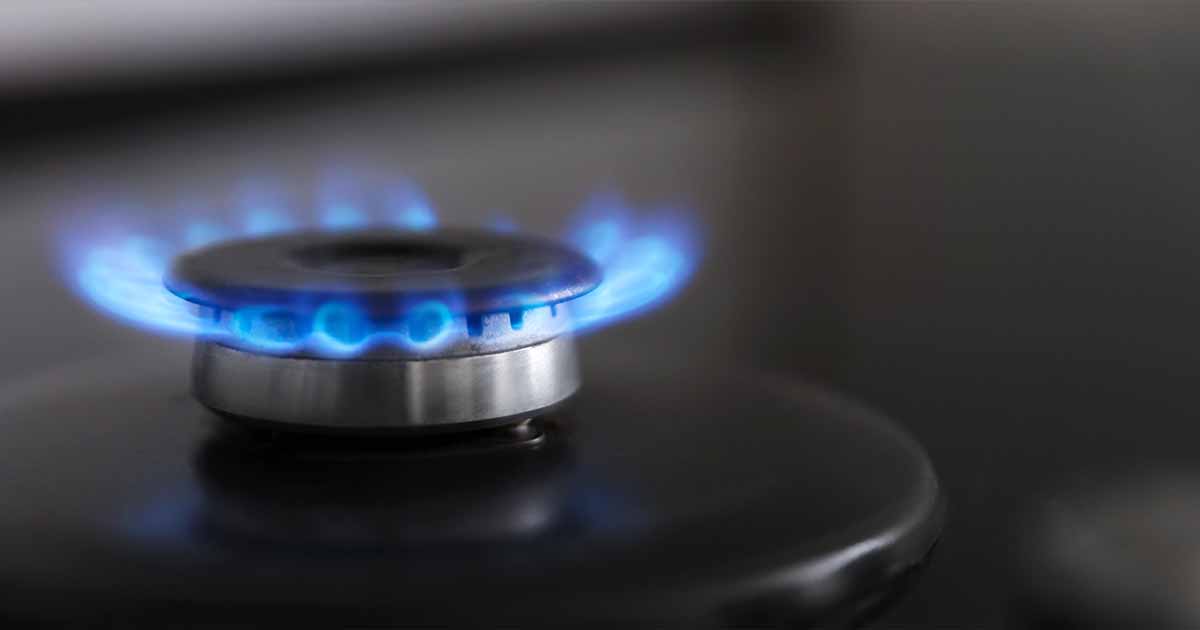
Home heating and your health
Dr Christine Cowie, a senior research fellow in the Woolcock's Respiratory and Environmental Epidemiology research group, spoke to ABC Radio's Becc Bird last week about the risks posed to human health by gas heating and cooking.
How does carbon monoxide harm?
Carbon monoxide is emitted from anything that you burn. So anything that you burn inside your house will emit carbon monoxide as well as other gases and other toxic air pollutants. It causes harm because you can't taste it, you can't see it, you can't smell it - it's hard to detect inside a room. And it binds with the haemoglobin in our blood to starve our blood of oxygen and then starves the whole body of oxygen.
How high do the concentration levels have to be for there to be an effect?
There are different effects starting with slight headaches and eventuating into dizziness and nauseousness and general malaise which can sometimes be mistaken for flu symptoms or a head cold. If the levels are high enough these symptoms can then progress to much greater dizziness and respiratory arrest, fast heartbeat, tachycardia, nausea and unfortunately in extreme circumstances death.
Is it commonly found in Aussie homes?
It will be found when things are burnt inside the house. If you have a gas heater that doesn't have a flue, there will be carbon monoxide emissions given off inside. If you're burning anything like wood, and again there's no chimney, you can have carbon monoxide. If you bring in barbecues or heating implements that are supposed to be used outside, they'll have much higher emissions of carbon monoxide.
What can people do to reduce the risks?
Never bring outdoor equipment inside to heat your home.
People who have gas heaters at home, especially if they are unflued, should have them checked at least every two years and even ask for a carbon monoxide monitoring test, a leakage test to be conducted.
Want to stay up to date with our research on sleep and respiratory conditions?
Sign up to our quarterly newsletter
They should always ensure they introduce fresh air into the room and that gas heaters are not used overnight and certainly not in bedrooms.
If you have gas heating or cooking you should have a carbon monoxide monitor inside the house . If you've got gas cooking, use an exhaust hood over your stove.
It's basically about venting emissions to the outside environment and not bringing in equipment that will have very high emissions in the first place.
There have been 10 to 15 carbon monoxide poisoning events reported around Australia in the past 10 years. While they're rare, fatalities do occur.
QUICK TIPS
- Make sure you have gas heaters, wall units, space units, central heating and gas water heaters checked every two years by a licenced gas fitter and ask for a compliance certificate.
- Ask for a CO leakage test to be conducted.
- Ensure there is some fresh air intake periodically into your home.
- Don't use a gas heater overnight or for extended periods.
- Minimise the use of exhaust fans at the same time heaters are used. Using exhaust fans in the kitchen or bathroom can create negative pressure and lead to gas heater emissions being sucked back into the house rather than allowing them to be exhausted to the outside air.
- Consider installing a CO alarm as an additional safety measure.
- Don't use an unflued heater in a bedroom and minimise daily usage of unflued heaters.
- Consider replacing old heaters.
Find out more
Share online
Donate
We are committed to understanding and eradicating these conditions. If you would like to support our research please click the donate button.

Subscribe
Sign up with your email address to receive quarterly newsletter updates, including the latest medical findings and breakthroughs in respiratory and sleep research.
We Need Volunteers for our research











PRIVACY: The Woolcock Institute of Medical Research recognises the importance of your personal information and privacy. We will use your provided details only to contact you about information we believe will be of interest to you. Read our full Privacy Policy.
Woolcock Institute of Medical Research is a not-for-profit charity. Donations of more than $2 are tax deductible. Copyright © 2026. ABN: 88 002 198 905