
The Woolcock Institute of Medical Research
What is hantavirus?
Passengers from the hantavirus-hit cruise ship MV Hondius are due to arrive in Perth by the end of the week and head straight into quarantine. Distinguished Professor Brian Oliver explains how to protect yourself from hantavirus and other respiratory viruses carried by rodents.
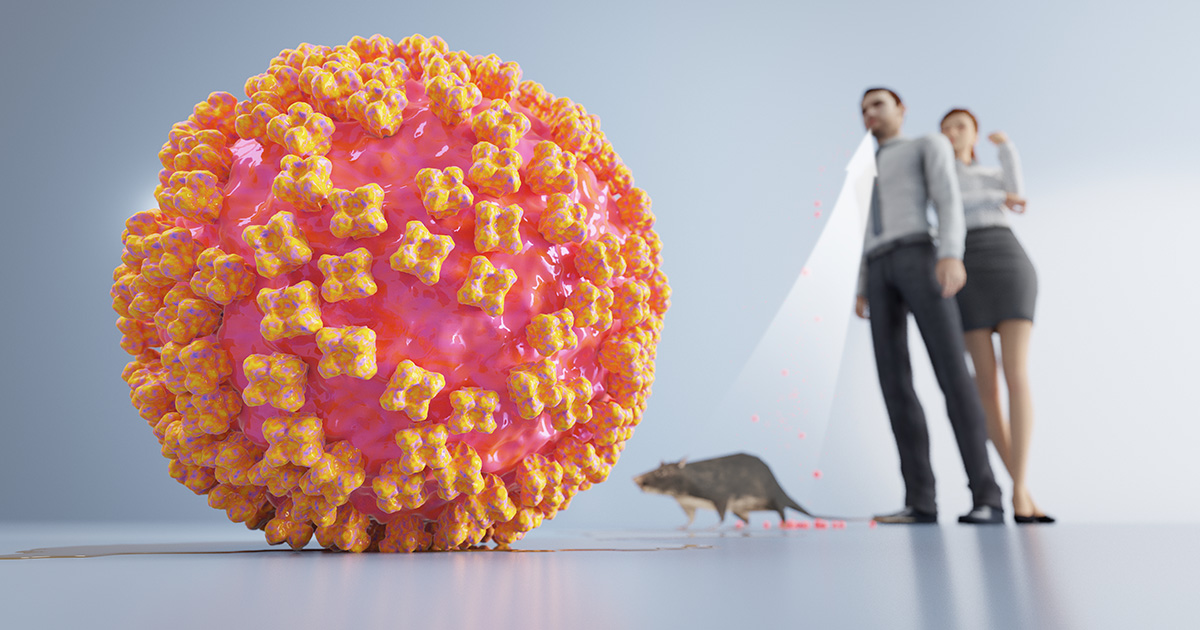
Hantavirus is a group of viruses carried by rodents, particularly rats and mice, which can occasionally infect humans.
People are most commonly exposed by breathing in tiny airborne particles contaminated with rodent urine, droppings or saliva, for example when cleaning sheds, garages or other enclosed spaces where rodents have been present (or as it turns out being on rodent-infested cruise ships!).
Unlike common respiratory viruses, hantavirus does not spread easily from person to person. In Europe and Asia, hantaviruses are known to cause haemorrhagic fever with renal syndrome (HFRS).
Some strains found in the Americas can cause hantavirus pulmonary syndrome, a severe illness that primarily affects the lungs. Early symptoms often resemble a flu like illness but, in a small number of cases, the disease can progress rapidly to serious breathing difficulties as fluid accumulates in the lungs.
Because the lungs are directly involved, this has raised understandable questions about risks for people with pre existing lung disease. While there is no evidence that conditions such as asthma or COPD increase the likelihood of infection, people with chronic lung disease may have less physiological reserve if they were to develop severe respiratory complications.
Want to stay up to date with our research on sleep and respiratory conditions?
Sign up to our quarterly newsletter
Importantly for Australia, there have been no recorded human cases locally and public health authorities consider the risk to the Australian community to be very low.
Whilst hantavirus might not be an issue in Australia, there are other viruses which can infect us, for example Lymphocytic choriomeningitis virus which can also cause nasty diseases in humans. The most effective protection is practical and largely environmental: reducing exposure to rodents, ventilating enclosed spaces and avoiding activities such as sweeping or vacuuming rodent droppings that can aerosolise contaminated dust. For people with lung disease, this advice aligns closely with existing guidance to minimise harmful inhalation exposures.
Although hantavirus remains a rare disease globally, it is a timely reminder of the close connections between the environment, lung health and overall disease risk.
Find out more
Share online
Donate
We are committed to understanding and eradicating these conditions. If you would like to support our research please click the donate button.

Subscribe
Sign up with your email address to receive quarterly newsletter updates, including the latest medical findings and breakthroughs in respiratory and sleep research.
We Need Volunteers for our research











PRIVACY: The Woolcock Institute of Medical Research recognises the importance of your personal information and privacy. We will use your provided details only to contact you about information we believe will be of interest to you. Read our full Privacy Policy.
Woolcock Institute of Medical Research is a not-for-profit charity. Donations of more than $2 are tax deductible. Copyright © 2026. ABN: 88 002 198 905