
The Woolcock Institute of Medical Research
Autumn Immunity Booster
This autumn, Australians are facing a different kind of respiratory virus season. Normally, flu starts to rise as temperatures drop, but 2025-2026 saw unusually high influenza activity over summer, driven by the highly transmissible H3N2 Super K strain. This has left many people already recovering from illness or dealing with lingering fatigue - factors that can affect immunity and make good sleep more important than ever.
Sleep and the immune system are closely linked. While we rest, the body produces immune proteins that help fight infections and build immune memory for future protection. Poor sleep – whether from stress, lifestyle changes or illness – reduces this immune response. That makes it easier for viruses to take hold and can lead to longer, more severe illnesses.
If you’re not getting enough sleep, you’ll be more vulnerable to Super-K infection, reinfection even if you’ve had it over the summer or catching whatever new strain emerges as the season shifts.
KEY AUTUMN VIRUSES
It’s not just influenza you need to look out for, other respiratory viruses begin to increase in autumn, particularly as cooler weather encourages indoor gatherings and closer contact. Public health authorities are watching out for:
- Influenza: Still active and likely to circulate alongside other viruses. Vaccination remains the best defence against severe disease.
- COVID 19: It may feel like the pandemic is behind us, but COVID is now endemic in Australia, with seasonal increases in cooler months. Staying up to date with boosters reduces severe outcomes.
- RSV (Respiratory Syncytial Virus): Can cause serious illness in infants, older adults and those with chronic conditions.
- Rhinoviruses (common cold): Often spike in autumn, causing sore throats, congestion and cough.
- Other viruses: Adenoviruses and human metapneumovirus can also contribute to respiratory illness, particularly in children and older adults.
Want to stay up to date with our research on sleep and respiratory conditions?
Sign up to our quarterly newsletter
The unusual summer flu activity means these viruses may co-circulate, creating a higher cumulative burden on individuals and the healthcare system.
How Viruses Affect Sleep
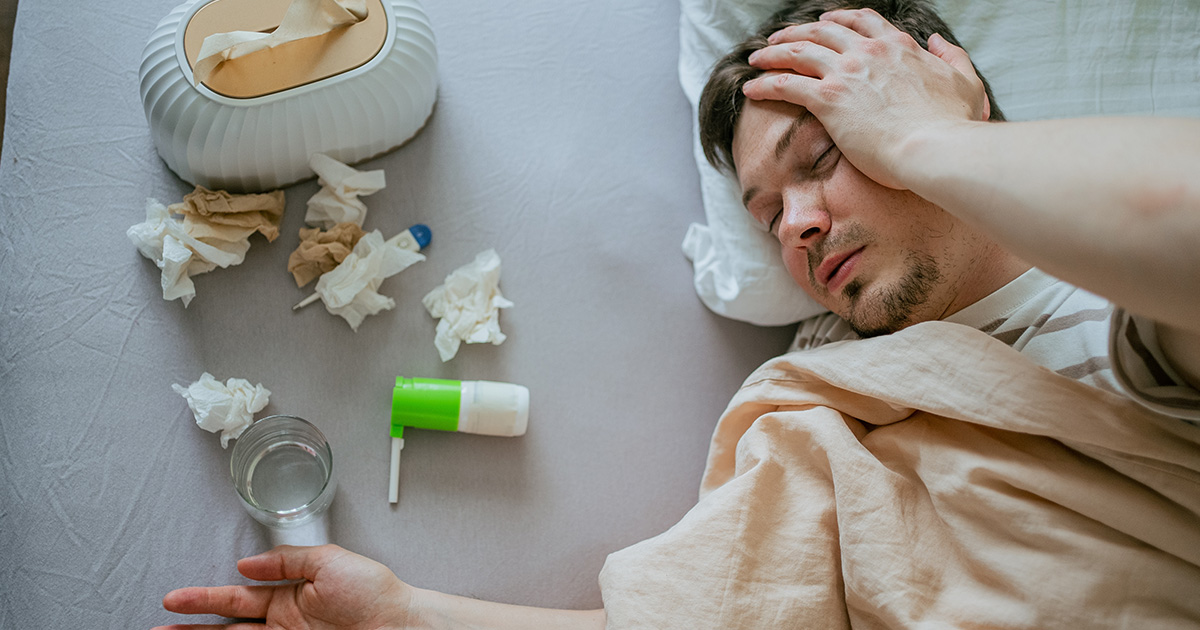
Respiratory viruses themselves can disrupt sleep. Fever, coughing and congestion fragment deep sleep and REM – the stages most important for recovery. Poor sleep weakens the immune response, creating a cycle where illness and sleep disruption reinforce each other. After a summer of high flu cases, this cycle is particularly relevant: many Australians are starting autumn with already-compromised sleep and immunity.
Health authorities recommend simple steps to reduce risk and support recovery:
- Prioritise sleep: Aim for 7–9 hours per night, keep a regular bedtime, and create a restful environment.
- Vaccinate: Stay up to date with flu and COVID 19 vaccines, especially for children, older adults, pregnant people, and those with chronic conditions. While not on the immunisation schedule, an RSV vaccine is also available.
- Practice good hygiene: Wash hands frequently, cover coughs and sneezes, and stay home if unwell.
- Manage indoor air: Ventilate rooms when possible, use HEPA filters, and limit exposure to smoke or other irritants.
THE BOTTOM LINE
Autumn usually signals the start of respiratory virus season. This year, Australians are entering it after a prolonged summer of influenza, which has already tested immunity and sleep. Prioritising rest, vaccination and good hygiene can help the body recover, stay resilient against infection and limit the impact of multiple viruses circulating at once.
Find out more
Share online
Donate
We are committed to understanding and eradicating these conditions. If you would like to support our research please click the donate button.

Subscribe
Sign up with your email address to receive quarterly newsletter updates, including the latest medical findings and breakthroughs in respiratory and sleep research.
We Need Volunteers for our research











PRIVACY: The Woolcock Institute of Medical Research recognises the importance of your personal information and privacy. We will use your provided details only to contact you about information we believe will be of interest to you. Read our full Privacy Policy.
Woolcock Institute of Medical Research is a not-for-profit charity. Donations of more than $2 are tax deductible. Copyright © 2026. ABN: 88 002 198 905